


THE STORY OF THE COFFEE FARM OF THE FUTURE
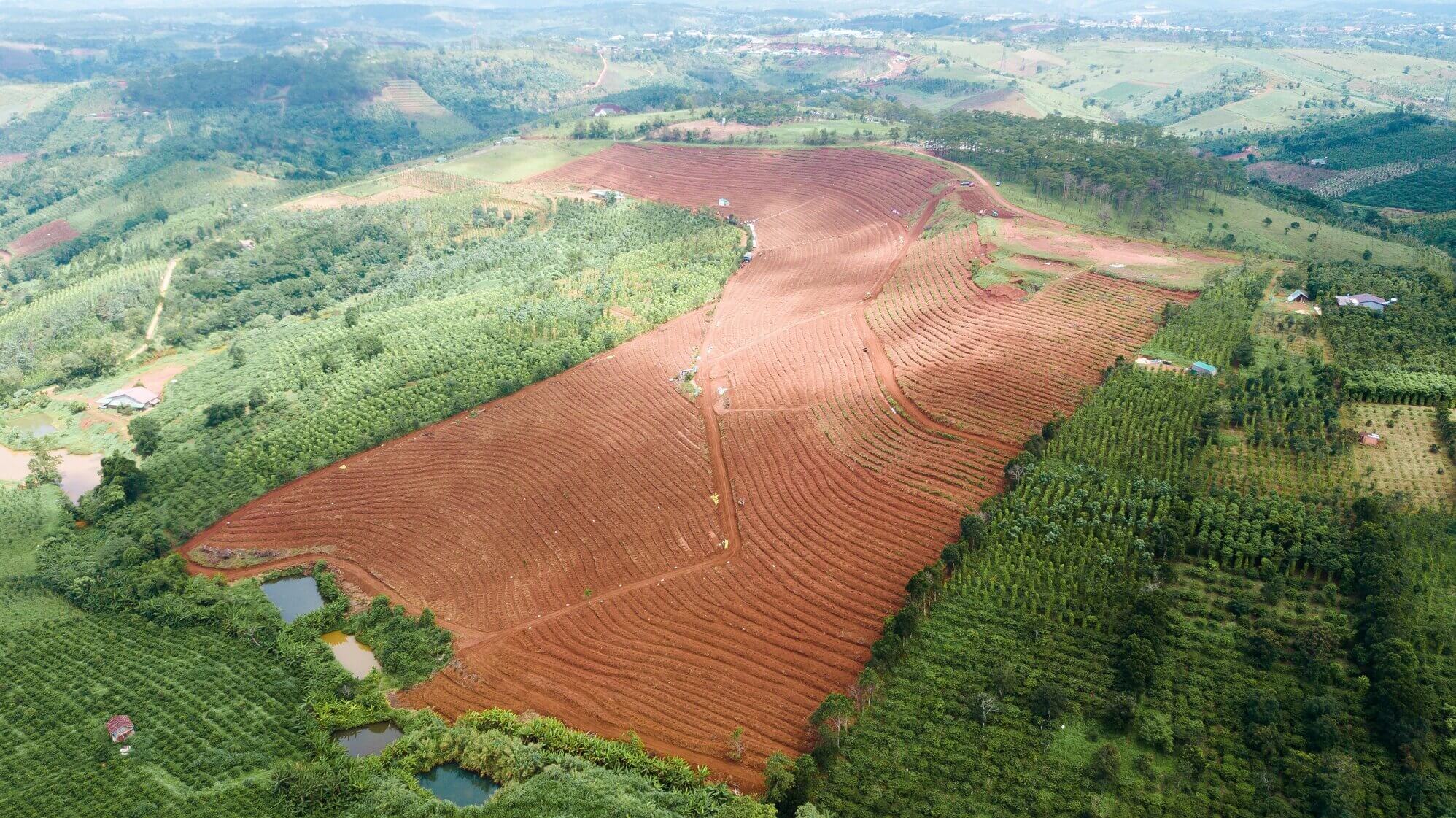
I was born in the 1970s in a family with eight siblings.
Like most Vietnamese farming families at that time, poverty and hunger always loomed over my family. Seeing my mother struggle, working tirelessly day and night to raise eight children, at the age of 16, I left my hometown for Ho Chi Minh City (about 1700 kilometers from where I was born) in hopes of finding a better life.
There, I worked in all kinds of jobs, from being a laborer, a manager, to opening my own business.
After 13 years in a new land, at the age of 29, I had saved some money and decided to get married. Life in the city became more difficult as my wife and I were expecting our first child. Not wanting to continue moving from one rental house to another, I took my wife back to her hometown to give birth, and I went alone to Bảo Lộc, Lâm Đồng to start a new life. This was a personal decision, and my wife had no idea. This trip held more ambition than 13 years ago. I was searching for a better life and stability for a future beyond.

by Nguyễn Văn Tới – Founder of Future Coffee Farm
TERRIFYING EXPERIENCE ON THE DESERTED ISLAND
I used all of my 500 dollars to buy an island in the middle of a river and four cows (these cows were purchased earlier with the idea that if they gave birth, my brother and I would share the calves).
I used all of my 500 dollars to buy an island in the middle of a river and four cows (these cows were purchased earlier with the idea that if they gave birth, my brother and I would share the calves).
I started building a new life on the deserted island with all the effort I could muster. I lived alone (because my wife was back in her hometown giving birth to our first daughter), and I became self-sufficient, using everything I could find. I chopped down trees to build a house, a bed, and a barn for the cows. I caught fish in the stream and grew vegetables. For a few essential items I couldn’t make, like salt, rice, and sugar, I borrowed from my sister (a year later, after I paid her back, she only asked for the cost of rice). Back then, not having money was the norm; having money was something very unusual for me. I always had to save whatever I could. Whenever I had to go to town, I would ride my motorcycle but turn off the engine when going downhill, letting the momentum carry me until the bike slowed down, then I would start it again to save on fuel.
One memory I have of having the most money I ever had was during Tết (Vietnamese Lunar New Year). My uncle came to visit me. Seeing how I was living on a deserted island, lacking everything—my house only had a few pots, an old radio, and no electricity—he was very worried. When I took him to the boat to leave the island, he asked with a concerned tone: “Can you handle this hardship?” I answered, “Some families have the means to send their children to university. Our family is big, with many children. I see this as my five years of university. If after five years I fail, you can scold me. But right now, I just ask for your encouragement.”
Before he left, my uncle handed me all the money he had, 250,000 VND (around 13 dollars). This was the most cash I had ever had in my pocket in those early startup days.
The tough life continued for me, alone on the deserted island.
In fact, all the difficulties seemed normal to me. I was born into a very poor family, and I had lived a tough life since childhood. Poverty taught me to hold on to hope, to believe that through my own efforts, one day life would improve. I planted more corn and squash to have more money for living expenses. My cows would breed many calves, and I would start my life with a herd of cows. With these thoughts, I never really considered myself to be suffering. What I missed most during this time wasn’t money—if I had money, I wouldn’t even know what to buy. But that small island made me feel incredibly lonely.
I missed my wife and child terribly. Since the birth of our daughter, I hadn’t seen her once. The only thing that could make any sound was the old radio, which sometimes had a signal, and sometimes didn’t.
Occasionally, ethnic people would pass by fishing and talk in their native language, and I couldn’t understand what they were saying.
Sometimes, I just longed to talk to someone.
by Nguyễn Văn Tới – Founder of Future Coffee Farm
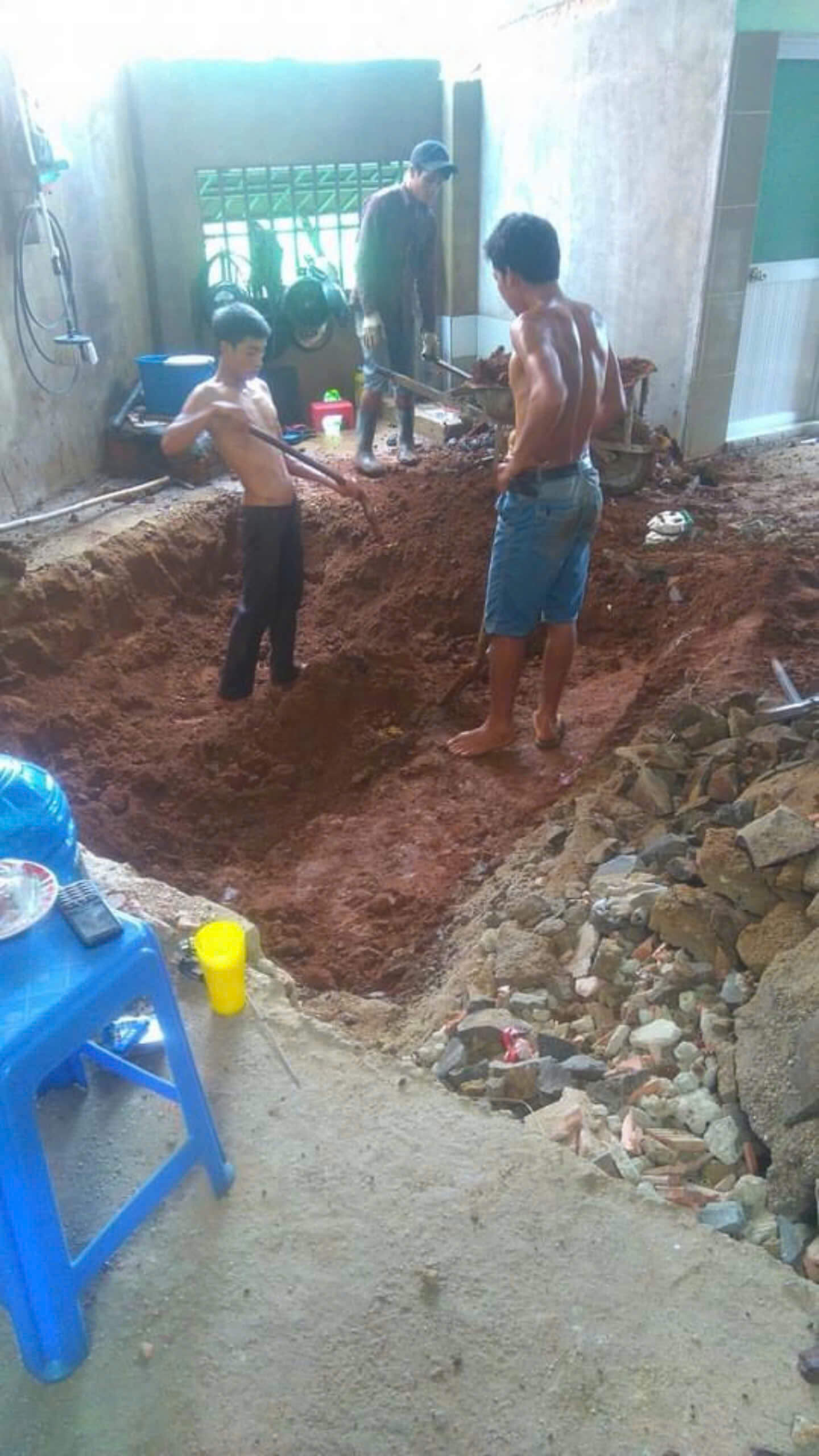
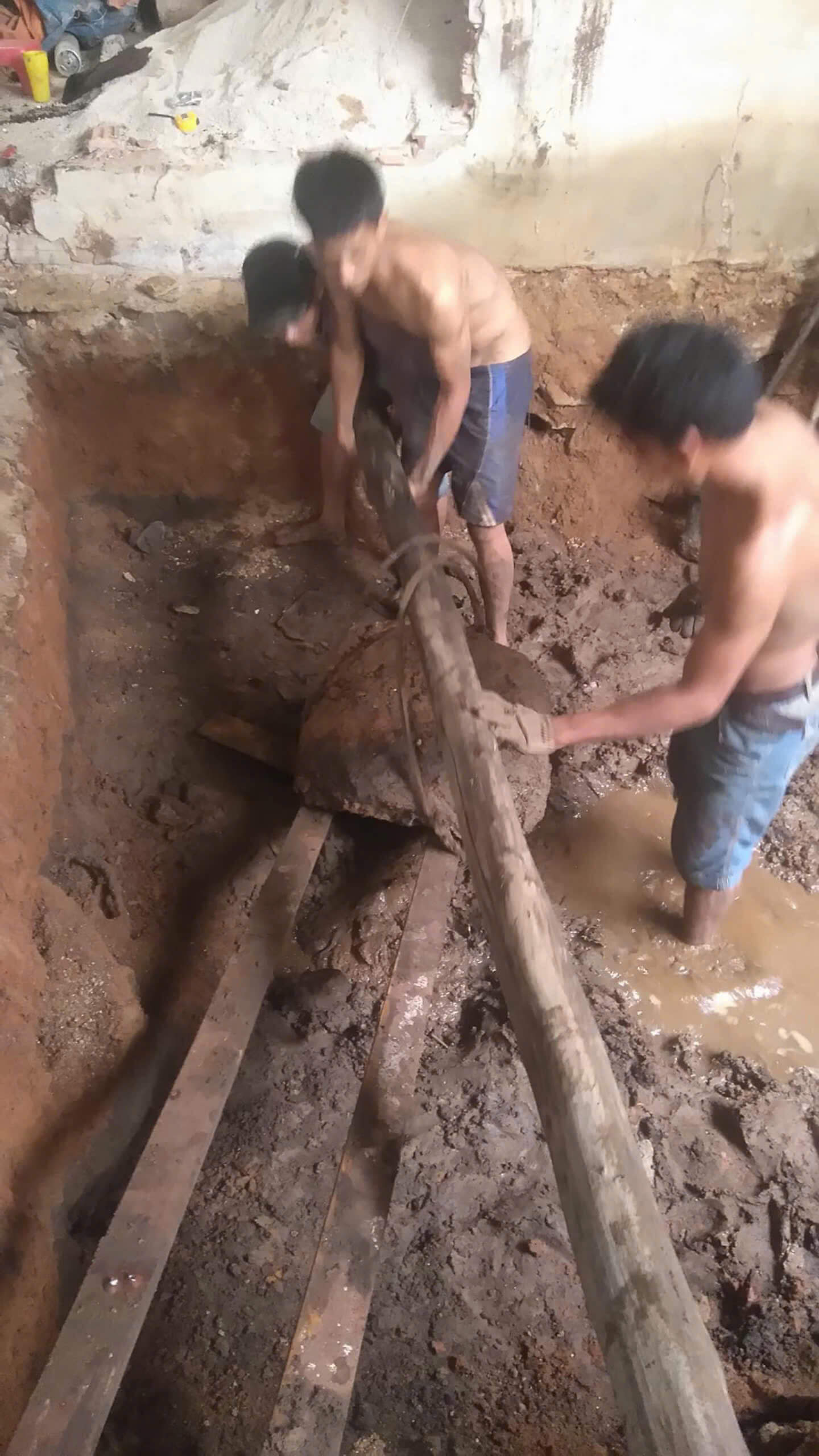
The terrifying experience on a deserted island
Due to the terrain with narrow streams and steep hills, the floodwaters rose rapidly.
After about a month of stubbornly staying on the island, one afternoon during a raging flood, feeling that danger was near, I left the house and a few cows behind, paddled the boat to leave the island and went to my sister’s house to stay overnight. The small boat, made from a sheet of metal, struggled to cross the strong current, drifting for a long distance before reaching the shore, managing to cling to a tree by the stream.
That night, the rain continued incessantly. Unable to sleep, I hurriedly returned to the island as soon as the morning broke. In front of me was a muddy, swirling stream, flowing onto the island and flooding the house, reaching the cow pen. Large tree stumps were swept away, rolling across the floodplains. If the water continued to rise at this speed, it wouldn’t be long before the cow pen, the house, and the cows would be swept away.
My sister, who had lived here for many years, must have sensed the situation, so she came running. Looking at the island being submerged, the cows—my most valuable assets—about to be swept away, without saying a word, she sat down and broke into tears.
The sky cried, she cried, and I cried too.
But crying all the time was of no help. I had to save the cows. Gathering all my courage, I paddled the small boat across the floodwaters. The first task was to herd the cows to the highest point of the island. Returning to the hut, by then the water had reached my knees. I don’t know why, but suddenly I had an idea—take a pot, break anything that could burn, and put it inside to start a fire. The fire blazed, and the smoke filled the hut, making me feel an unusual warmth. At that moment, I had a belief that God would have mercy on me and would not let all my assets be swept away by the floodwaters.
While I was lost in thought, a loud voice from the other shore called: “Tới, I’ve lived here for years, the floodwaters have never reached the island. You should paddle back, it’s too dangerous over there.” It was getting dark, and I turned the boat around, paddling back to the mainland with the hope that the rain would stop. With the hilly terrain, if it stopped raining, the floodwaters would recede quickly. And sure enough, just after one night, the rain eased, and the waters moved as quickly as they had come. All that remained was several thousand square meters of cornfield buried by the flood. My sister and I picked up the remaining corn cobs sticking out from the ground. Some of the corn had even sprouted from being submerged in water for a long time.
That terrifying flood season, I still cannot forget to this day.
by Nguyễn Văn Tới – Founder of Future Coffee Farm
“We will start from here”
After my wife gave birth to our first daughter for a year, I asked her to send the baby to her mother’s house and come live with me in Bao Loc (because the island was surrounded by water, and it would be very dangerous to bring the baby there). The first day I took her by motorbike to the island, driving on the winding and slippery roads (and also falling off the bike a few times), then rowing a boat to the small hut, I was filled with endless worry. When we got there, after showing her around, I immediately asked, “Can you live here?” She answered, “Yes. I can live here. We will start from here.” Hearing her say that, I felt both happy and deeply moved.
Before we got married, she probably never imagined that I would bring her to such a remote and difficult place like this. If she had broken down and cried at that moment, Future Coffee Farm as it is today would never have existed.
If she had cried, I would have certainly left everything behind and returned to Saigon to continue our uncertain life in rented houses, wondering what the future would hold for us and our child.
My sister, who lives on the main road, feeling sorry for my wife, would call and bring us delicious food every weekend, inviting us to come and have meals together. One evening, after finishing dinner and returning to the island at night, due to heavy rain upstream, the floodwaters rose and swept away our boat. Holding my wife with one hand, I used a stick with the other to help us carefully make our way across the stream, navigating in the dark to return to the island to sleep.
THE HOUSE BOUGHT WITH MONEY FROM SELLING BOILED CORN
To get through the difficult days, I always looked toward the good things. Heaven doesn’t take everything from anyone.
If one thing is taken away, He will give me something else to compensate. He gave me the terrifying experience of the flood, but in return, He gave me a fertile alluvial field. Difficulties didn’t discourage me; right on the alluvial land that had been flooded before, which was now replenished by the floodwaters, my wife and I started our plan for increasing production. We decided to grow corn because it has a short growing period, and after 75 days, we could harvest fresh corn to sell.
by Nguyễn Văn Tới – Founder of Future Coffee Farm
THE EVENT THAT CHANGED MY LIFE
The island where I used to live and cultivate crops was planned for a hydroelectric power plant. They compensated me with a large sum of money. A really large sum.
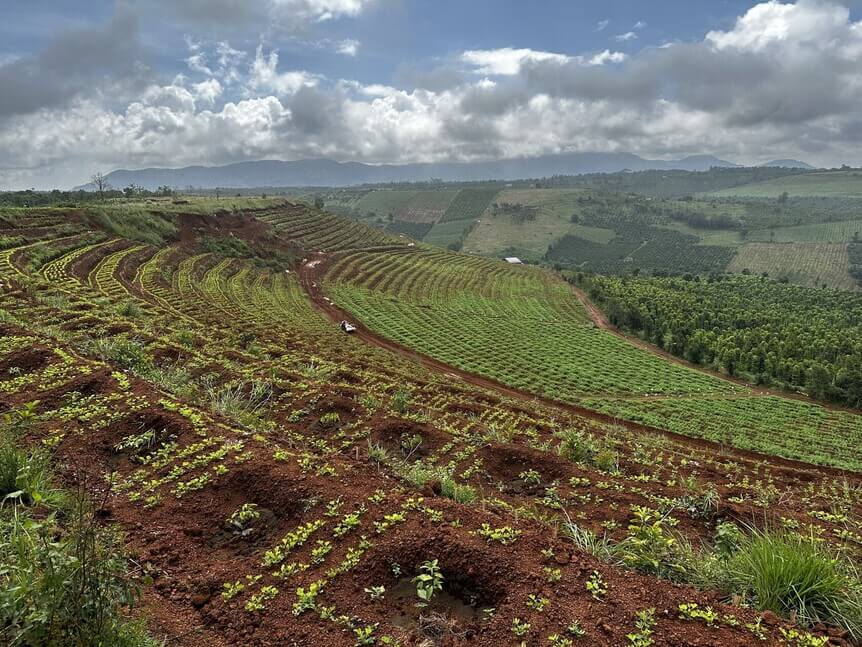
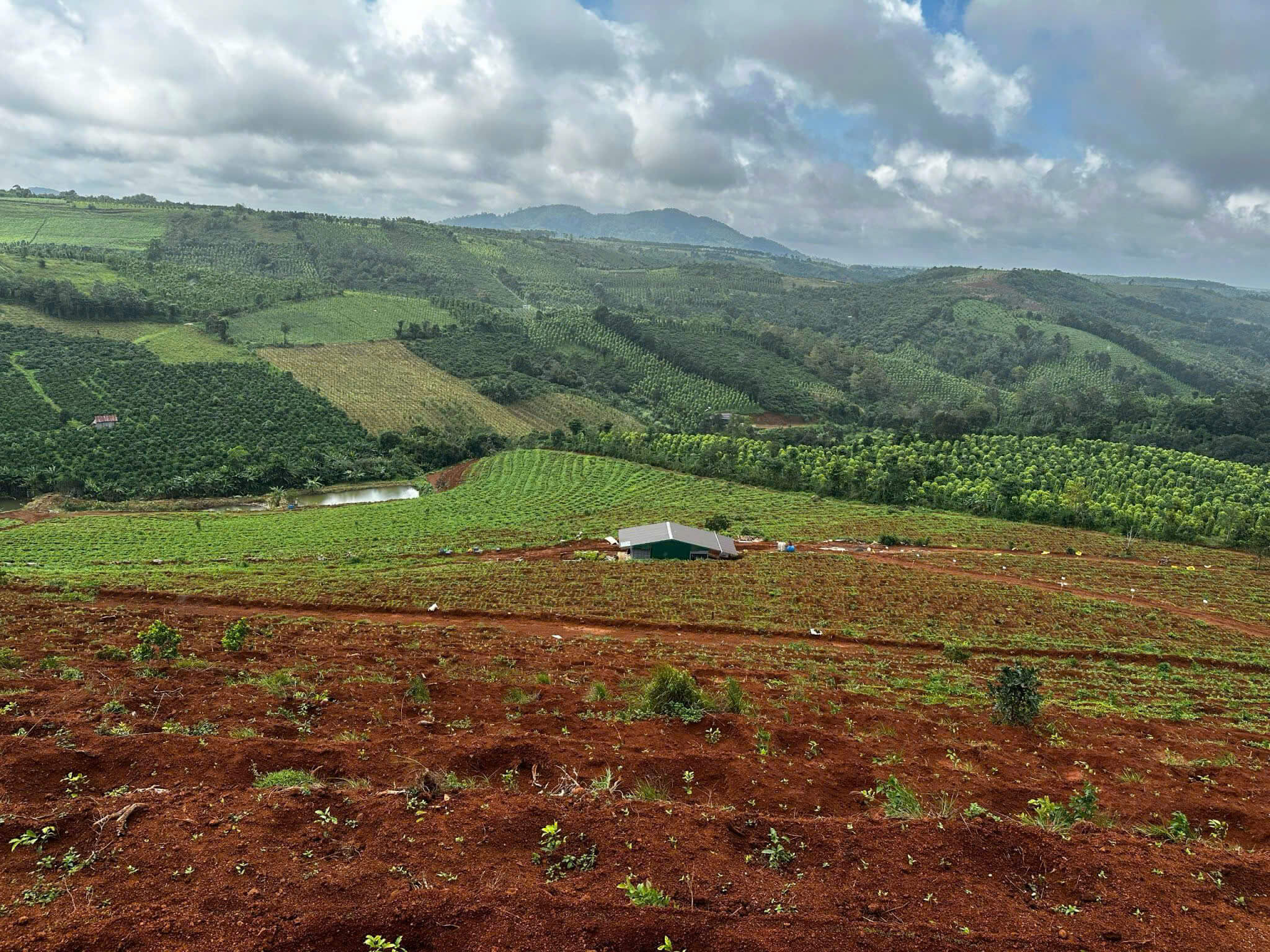
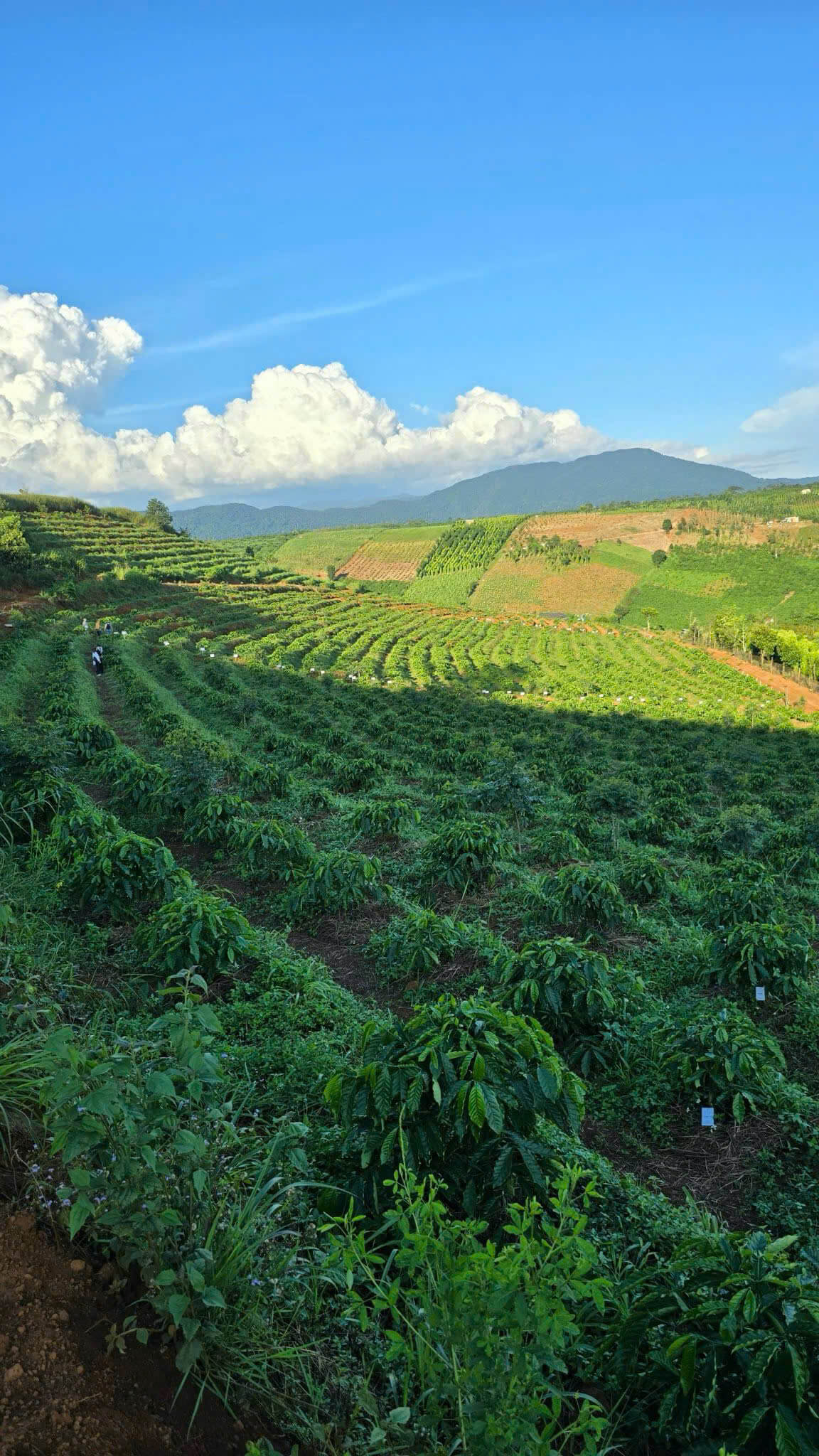
I used all of this money to focus on purchasing land. I was able to buy 7 hectares of coffee farm. I didn’t use that money to repair the house or spend it on other things because I believe that as a farmer, one must have land. People said I was lucky, and indeed, I felt fortunate.
Having the coffee farm, I began to cultivate and process the coffee just like any other farmer. The ripe coffee cherries were harvested along with the unripe ones, dried on tarps, and laid on the ground. They were then sold to traders based on the London commodity exchange. Later, I learned that with the quality of coffee we had, we were merely selling the caffeine in the coffee beans, not real coffee. They bought the caffeine to make instant coffee or extract it to use in candies. That’s not coffee. Real coffee must have the full aroma, flavor, sweetness, creaminess, acidity, and the wonderful characteristics unique to its region and climate zone. At that time, my work didn’t follow any processing procedures at all, although it could have accounted for up to 70% of the value of a good cup of coffee.
THE OPPORTUNITY TO MAKE SPECIALTY COFFEE
In 2012, I joined a sustainable coffee project and welcomed a project staff member to guide me on better cultivation, harvesting, and processing methods to create higher quality coffee.
However, if we followed their process, we would only receive an additional 300 VND. Before the expert left, he noticed a pile of coffee beans mixed with rice husks and soil in front of the house. He asked what kind of coffee it was. I replied that these were coffee cherries that birds had eaten during the night. The birds sucked the honey and sugar between the flesh and the husk of the bean, then dropped the seeds onto the ground. We felt sorry for the waste, so we picked them up and brought them back to dry and sell. He didn’t hesitate and said I should clean them up and send them to Ho Chi Minh City, where he would buy them at a higher price than what we usually sold them for.
I remember that during the Tet holiday that year, he sent me a very large amount of money. At that time, I asked myself, if the coffee beans were harvested properly and processed cleanly, their true value would be much higher.
The high price of the coffee beans that the birds ate gave me a new idea. I realized that I needed to make even better quality coffee. When the birds ate the coffee cherries and dropped the beans onto the ground, they became contaminated with dirt, fungi, and weren’t hygienic. If I could control this process and apply it to our production method, we could definitely create real specialty coffee.
by Nguyễn Văn Tới – Founder of Future Coffee Farm
LEARNING FROM THE WORLD'S METHODS
I started researching everything related to coffee, specialty coffee, and high-quality coffee online.
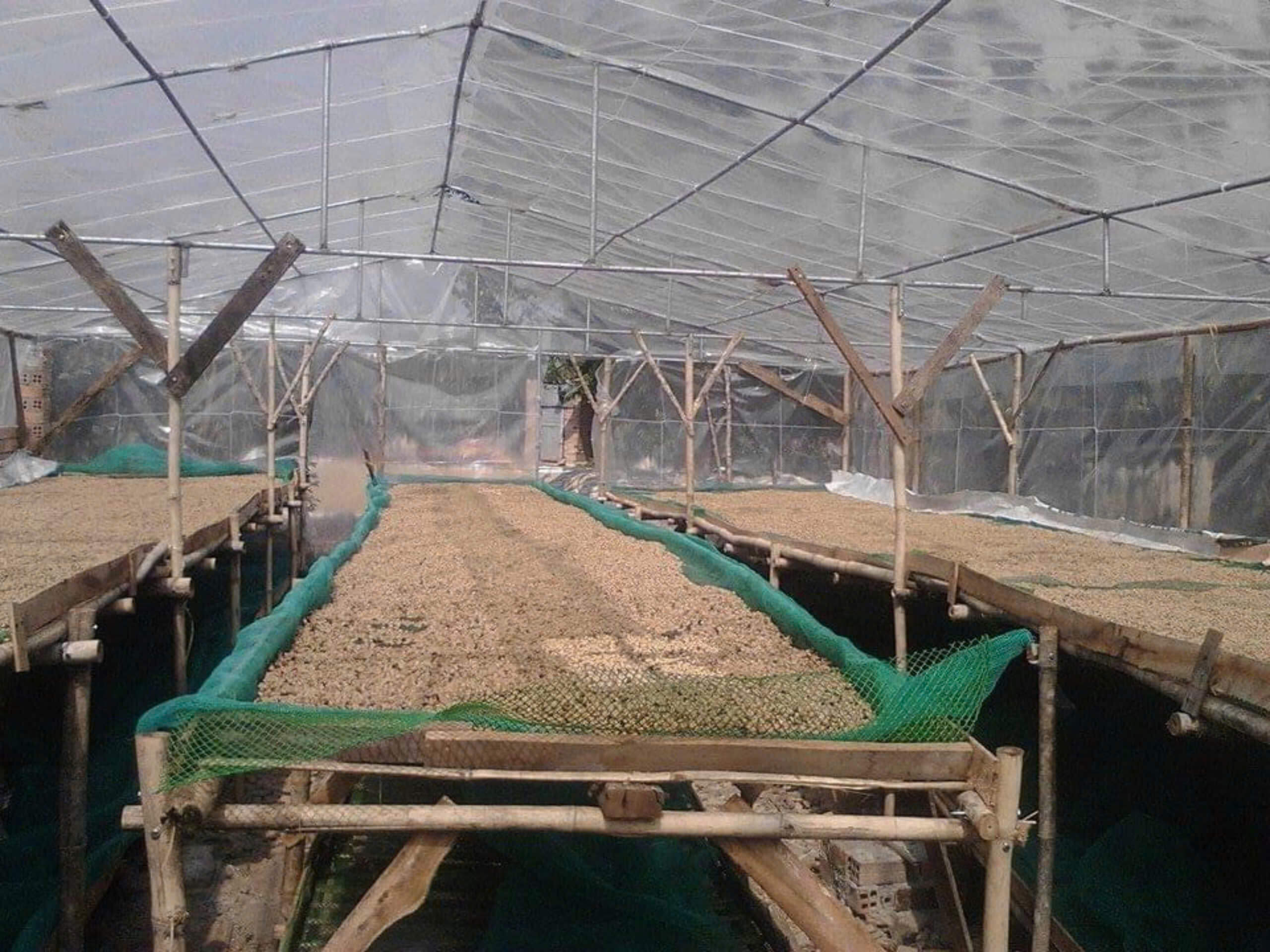
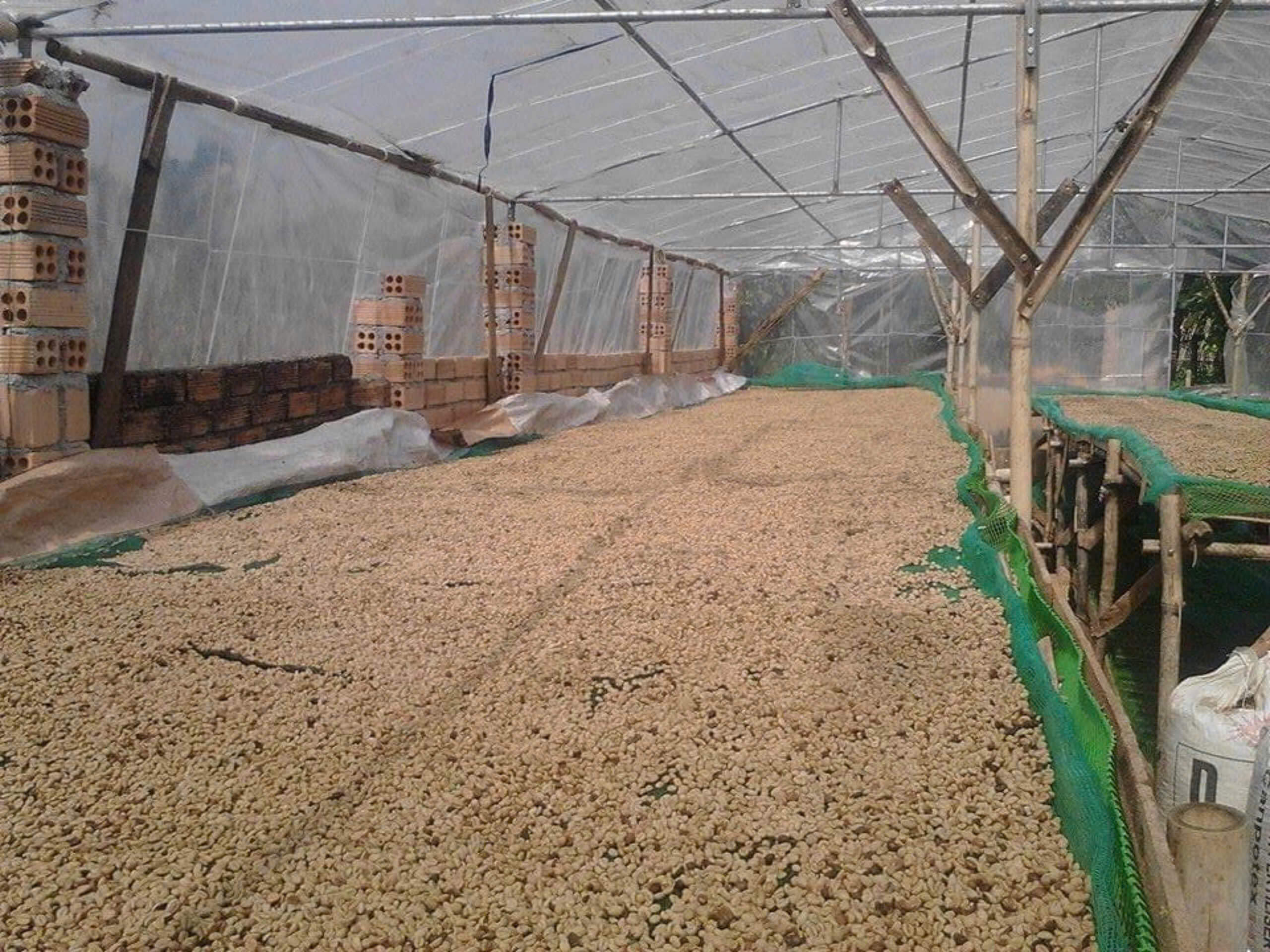
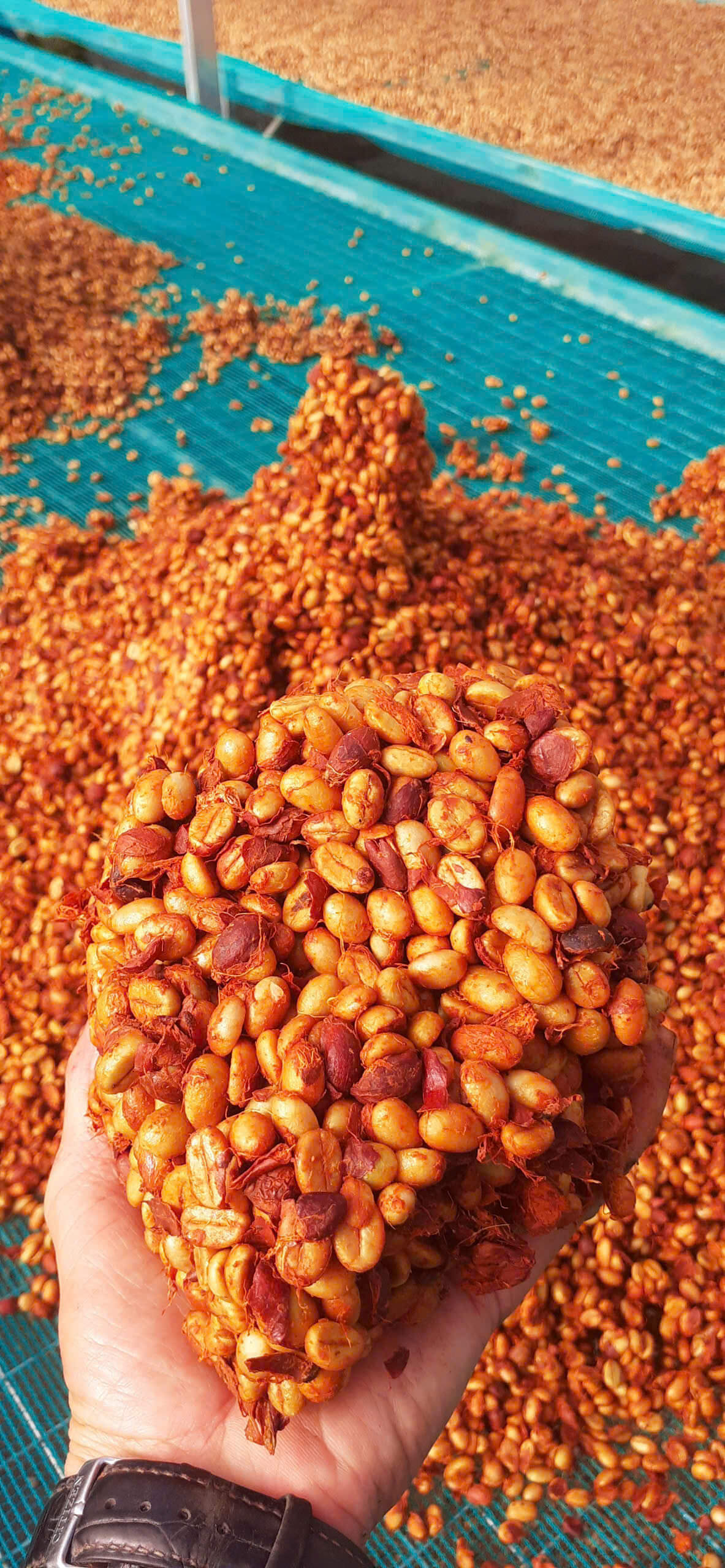
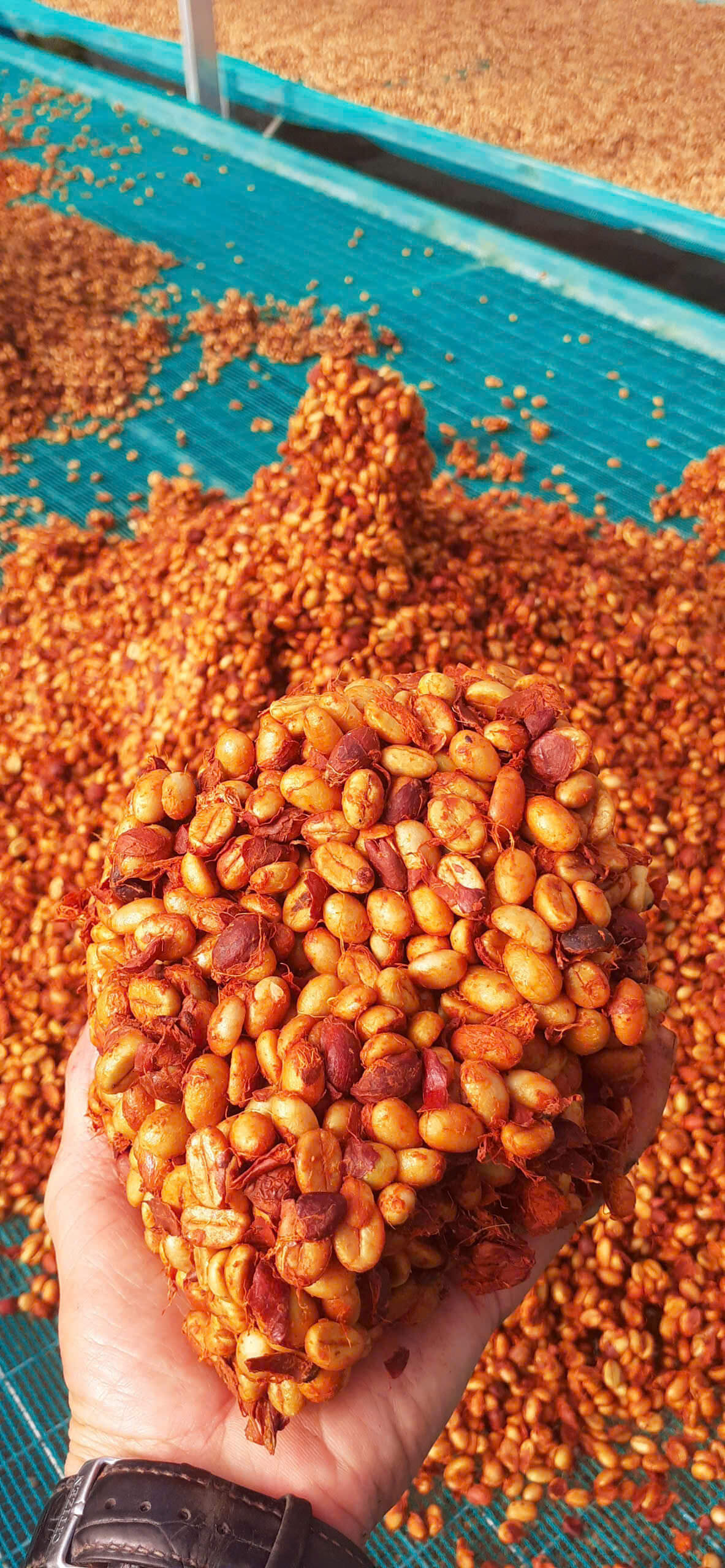
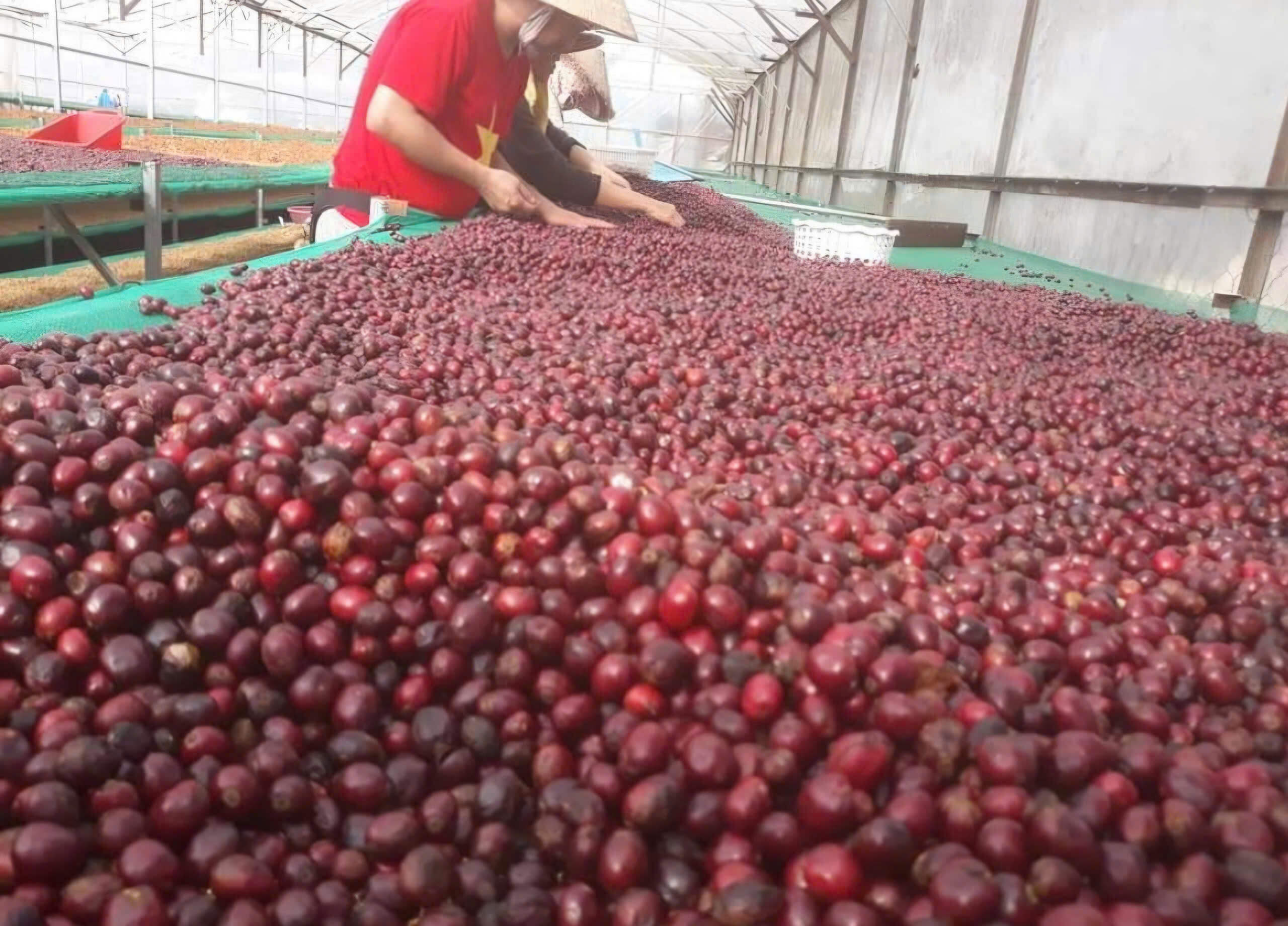
At that time, smartphones were still a luxury, and having the internet connected to every household was a dream. I went to the internet shop, sat there all day, and searched for everything I could, from cultivation, processing to tasting methods. The internet was truly a miracle of modern society. It allowed a farmer like me, living in a remote area, to access global methods through English materials, which I copied and had someone translate. After reading these materials, I understood the proper way to care for coffee plants, the correct harvesting methods where only fully ripe cherries should be picked, washed, peeled, fermented, and dried on drying racks in a greenhouse, ensuring cleanliness, and controlling the temperature during the drying process…
After a year of acquiring new knowledge, I began planning for the establishment of Future Coffee Farm. The brand name was given to me by my teacher, which means “the coffee farm of the future” but also symbolizes my dream for the future of Vietnamese coffee.
Talking about it was easy, but starting the project was the real challenge. I had no capital. To carry out my plan, I needed a significant amount of money. I borrowed money from friends, from anyone who could lend, and I explained my idea of producing specialty coffee using new technology.
After hearing about the project, no one believed in my idea. They said, for generations, Vietnamese farmers have always done it the same way: planting, caring for the crops in the traditional way, picking both unripe and ripe fruits, drying them on the ground, and still selling them, even though the real value is low. Even my brother, after hearing my idea, said I would fail. With the method and the huge investment, I didn’t know if my product would sell. Despite all this, I still believed my project would succeed (because when starting a business, I always believe that if my project succeeds, money is just a secondary issue. Whether the project or the capital comes first is up to you). For me, as long as I had some money, I would start immediately.
Good things come to those who persevere. After several failed attempts to borrow money, some kind friends agreed to lend me money (One of them was Hien, a friend I’ve known for over twenty years, and many others). To save as much as possible, I used a “self-sufficiency” strategy, utilizing everything available. I ran into the forest to cut bamboo, split it into small pieces, and made drying racks out of bamboo (I used everything available instead of buying it). The total area of my drying racks at that time was about 50m².
I did everything myself and didn’t hire anyone. For the production workshop, I went to buy scrap metal from junkyards, straightened it, and hammered it into a pile of sand to clean it. Afterward, I welded the pieces together (I was not a welder or construction worker, but I learned as I worked. While welding, I got a painful eye injury for the first time. It felt like someone had thrown sand into my eye, and I was terrified I might go blind). After that, I asked some welders to teach me how to weld and how to use protective glasses. I also learned how to measure right angles and use a level tool. Every day, my husband and I cast one concrete pillar. After a week, we had completed 8 concrete pillars.
For the workshop, I decided to buy welding machines, saws, and metal cutters to build the roof. For three months, my husband did the construction while I helped with the masonry and took care of the coffee farm. In the end, we completed the workshop. For the coffee processing machines, I negotiated with a passionate manufacturing unit. They agreed to allow me to pay in installments for a peeling machine that cost around $7,500. After investing in the facilities and machinery, I eagerly awaited the harvest of ripe coffee cherries to begin a new season and a new working process.
by Nguyễn Văn Tới – Founder of Future Coffee Farm

THE HARVEST SEASON HAD ARRIVED. IN 2015
And it turned out that this was when the real battle began. To make specialty coffee, the peeling machine must not damage the coffee beans.
And it turned out that this was when the real battle began. To make specialty coffee, the peeling machine must not damage the coffee beans.
The initial excitement gradually turned into worry. The peeling machine was damaging the coffee beans at a much higher rate than allowed. The company that sold the machine sent two workers to fix it, and even the director of the company stayed at my house for a week, but they couldn’t resolve the issue. I considered returning the machine, but by then, my stock had already been significantly damaged and might continue to be ruined. More importantly, the cracks would allow water to seep in, making the beans sour like vinegar and possibly causing rot, with the beans smelling like sewage. When I mentioned returning the machine, they didn’t make it difficult, and they agreed to let me return it. Later, I learned that this type of machine was only suitable for Arabica coffee from Da Lat, not for Robusta coffee.
Through a recommendation from Mr. Luu Hoang, the Director of the Coffee Quality Control Company, I found another machine. The cost of this one was even higher than the previous machine, and I had to scramble to manage the finances. But by then, I had no way back. I decided to continue pushing forward, calling the manufacturer and presenting my vision for high-quality coffee beans and my plan to export them globally. Once again, they sympathized with me and agreed to let me pay in installments over several months, with the promise that the new machine would work well.
However, things didn’t go as planned. When I brought the new machine home, I had high hopes for it. Yet, the same problem persisted: the beans were still being cracked beyond the allowed limit. The harvest season passed, and I had not produced any sellable batches. Dozens of tons of coffee were ruined by the machine and could not be sold. The wages for the workers exceeded my current financial capacity. These were risks I hadn’t anticipated. Everything came crashing down on me, draining my energy. My wife also started to get worried.
We had invested a lot of money, but it seemed like we might lose everything.
Neighbors began gossiping, and even friends and some people around me started to say that no one had ever processed Robusta like my wife and I were trying to. My mind felt like it was going to explode. Every time I felt like I needed motivation, I repeated a phrase to myself: “If you’re facing difficulties in your startup and think about giving up, remember the excitement you felt at the beginning when you started.” In that moment, I believed that the fish swimming upstream is the strongest fish.
I likened myself to someone trying to conquer a mountain. If I encountered difficulties, I would climb down and find another mountain to conquer. If I faced challenges there, I would return and try again. If I kept running into the same difficulties, I would just stay at the foot of the mountain for my entire life. I continued to encourage the engineers to fix the machine, telling them that once the issue with the cracked beans was resolved, the machine was actually very good. Our team tirelessly worked on adjustments, replacing the unsuitable parts. After nearly 20 days of adjustments and fine-tuning, the machine finally passed a successful test run, with the cracked bean rate at 1% (at this rate, during the dry processing and packaging stage, I could pick and remove the cracked beans, bringing the percentage down to 0.5%, which met the standard).
It was midnight when I was dozing off on a pile of coffee beans. Their excited shouts woke me and the neighbors up. “We did it! Mr. Tới, we did it!”
I woke up and couldn’t hold back my tears of happiness when I saw the beans still covered in their silky skin, just as I had dreamed of.
With only a few days left in the harvest season, I was able to produce my first batches of coffee. In the first year, I had only two types of coffee: Fully Washed and Honey. For each processing method, I had about one ton of beans.
by Nguyễn Văn Tới – Founder of Future Coffee Farm
THE JOURNEY OF BRINGING COFFEE BEANS TO THE MARKET
After a tough harvest season, I eagerly traveled from Bao Loc (Lam Dong), where I produced coffee, to Ho Chi Minh City to introduce my Robusta beans.
On one shoulder, I carried a bag of clothes, and on the other, a bag of coffee. I spent a week traveling around Saigon. I went to the city’s major coffee shops, full of hope that my coffee would be accepted. But no, after tasting the coffee I made, the shop owners all refused to buy. “Your coffee doesn’t match what we serve. Our coffee is thick, dark, bitter, and strong. Your coffee has a subtle acidity, a mild bitterness—it doesn’t fit my customers.”
Later, I learned that their coffee was a blend of coffee with soybeans, corn, alcohol, butter, etc. Some others said my coffee was delicious but refused to buy it because it was much more expensive than the coffee they were importing.I have a belief that a good and healthy product will always find buyers, and it’s my responsibility to make that happen. It took a long time for Future Coffee Farm to find its first customers. They were businesses specializing in roasting and grinding coffee for a small group of customers who wanted to enjoy high-quality coffee. However, the price they paid for my first tons of coffee was barely enough to cover production costs. As a farmer, if I didn’t sell coffee, I wouldn’t have money to support my family or pay off debts that were due. I also needed money to reinvest in the coffee farm. At that time, due to the high production costs, the price I could sell coffee for wasn’t enough to break even, and I continued to drown in debt. I visited each friend who had lent me money, sent letters to the company that sold me the machine, explaining my difficulties and hoping they could help me once more by deferring the debt. Luckily, they all agreed.
One year was considered a failure, but for me, those were experiences that money couldn’t buy. (Having a lot of money to start a business is great, but when you run out of money, your startup ends, and all you’ve gained is the experience of how to spend money. If you have little money, but you use your inner strength and determination to start, that passion and perseverance will keep you going, leading you to success).
To improve the quality for the next harvest, I dived into learning more about coffee. I read every piece of information I could find online, combining it with local knowledge, soil, and climate (I also saw many methods that worked abroad, but they needed adjustment for Vietnam’s weather). I needed to create an ecosystem for the coffee farm, with shade trees, using organic fertilizers to create flavor and sweetness for the coffee, avoiding herbicides, using machines to test the sugar content of ripe coffee beans, harvesting at the right time, clearly defining the stages of processing, avoiding contamination, controlling fermentation mass, temperature, pH levels of fermentation tanks, fermentation time, greenhouse temperature, identifying defective green coffee beans, and maintaining standard moisture content of the coffee beans.
I also signed up for a basic processing and cupping course. At the same time, I sent product samples to experts for evaluation and adjustments before the new season began. The more I learned about coffee, the more fascinated I became. Later, I discovered there was an organization dedicated to researching coffee globally, called the Specialty Coffee Association of America (SCAA), based in the US. They study everything about coffee, from soil, varieties, cultivation, harvesting, processing, roasting, and cupping. The interesting thing is that since coffee was discovered, there has never been a fixed formula: “coffee must be made this way to be good.”
While I was researching and developing my product, I was also thinking about marketing strategies and expanding the business. I started posting about my product on Facebook to introduce it. This was a cheap, simple, effective, and widely spread marketing channel I could use. Additionally, I sent coffee samples to potential customers. After many efforts, the joy finally arrived. I began to receive new orders for the second harvest. With a better selling price, some roasting companies even proposed to exclusively buy Future Coffee Farm products. Among them was a group of customers who were friends of each other. They came together and decided to choose Future Coffee Farm as a partner. These were the 5 customers who impressed me the most, not just because they traveled 1800 km from Hanoi to Bao Loc, but because of what they said: “We came to Bao Loc to buy your coffee because we want to support good products and give you motivation to keep going. We trust you with your specialty coffee.”
I promised to keep the price low for this group of customers for 5 years, as a token of gratitude for supporting me in the early days of my startup. With one year’s production experience and the help of experts who made adjustments, during the second harvest, I produced better, tastier, and higher-quality coffee. At the same time, I decided to expand the coffee drying area to 200m², four times the original size. Another piece of good news was that all customers agreed to pay 50% of the order value in advance before I started production for the new season.
After many sleepless nights and endless setbacks, success finally came and began to smile upon me. But my success isn’t about becoming a director or the owner of a plantation selling a lot of coffee. I’m happy because I am a farmer who creates quality coffee beans. Specialty coffee is like a symphony, and I am just the craftsman trying to make a good instrument. I need the musicians to play this symphony, and they are the roasters and the talented baristas who brew the coffee with passion.
Bao Loc Jouney
In the next part of my journey, I always hope to meet people like them. (For example, Nguyễn Văn Hòa, a senior coffee executive at THE COFFEE HOUSE, and now he is starting a business with STONE VILLAGE, an authorized SCA training center. We, FUTURE COFFEE FARM and STONE VILLAGE, are collaborating on many steps to produce specialty coffee according to FINE and SPECIALTY standards.) Although we work in different stages, come from different backgrounds, and face different challenges, we share the same love and passion, with the belief of developing Vietnamese coffee according to global FINE and SPECIALTY standards.
Truly, coffee has brought me to wonderful things.
by Nguyễn Văn Tới – Founder of Future Coffee Farm


BRINGING FUTURE COFFEE FARM'S COFFEE TO THE WORLD
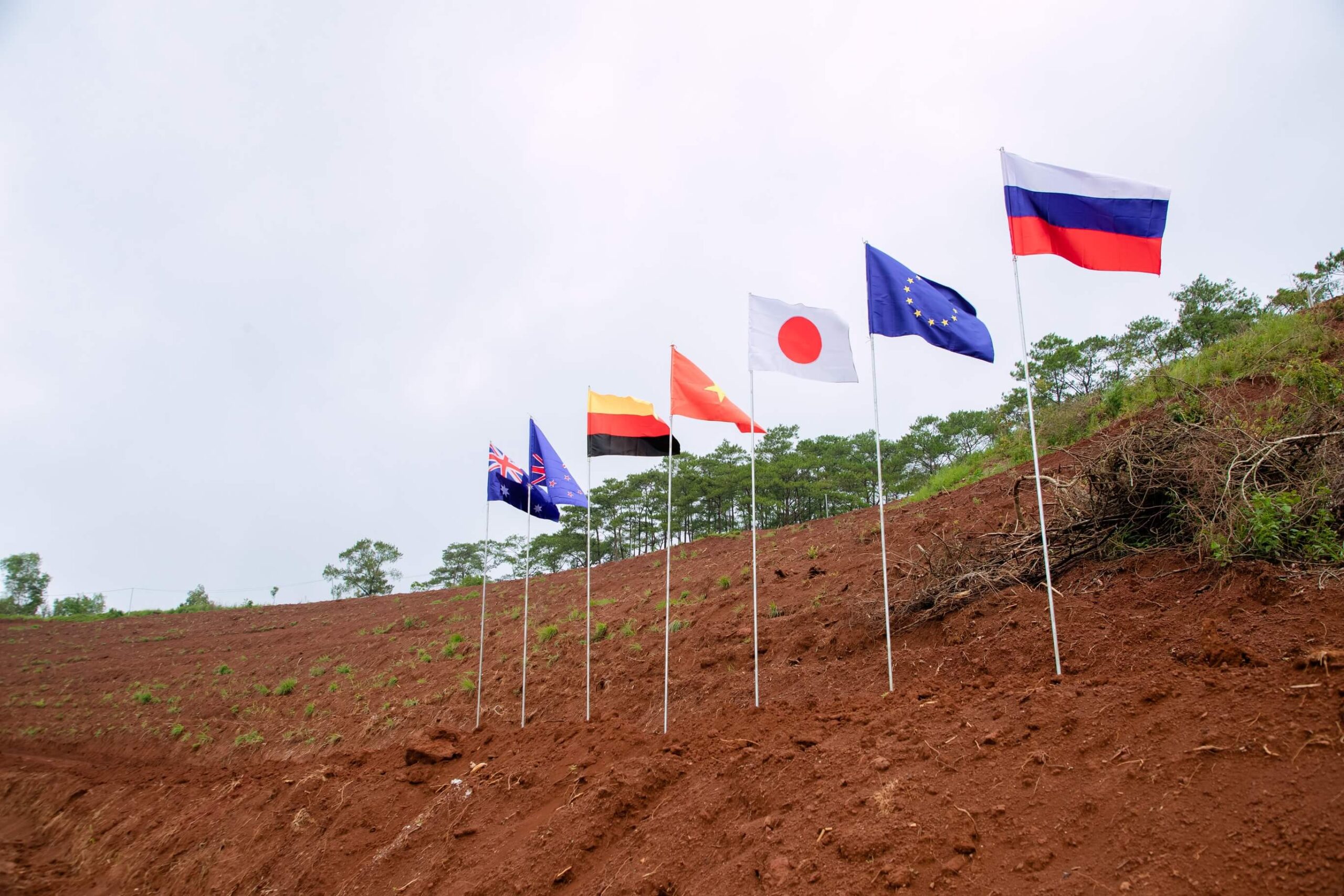
Thanks to the help of friends and my own efforts, after 4 years of producing high-quality coffee, I have customers from Japan, the US, Belgium, Germany, South Korea, and more…
These are the toughest markets in the world, which I once dreamed of entering. During my interactions with foreign customers, I have a little funny memory. I don’t know foreign languages, so when communicating with them—whether face-to-face, via email, or messages—I always have to use Google Translate. Of course, it’s a good tool, but it’s not 100% accurate. Strangely, I always feel like they understand what I’m saying, and we don’t encounter too many obstacles. I’m sure I made many mistakes in terms of vocabulary and grammar, but it didn’t matter; it still allowed my coffee beans to go beyond borders.
One foreign customer asked me where my company’s office is located and how many employees I have, and why, with so many foreign partners, I don’t know English. I answered: (It’s just me, and my wife. I do all the work, from farming and quality control to marketing, sales, and customer service. As for not knowing English, that’s actually an advantage in my case. If I knew English, I would probably have worked in an office or as a translator, not as a farmer. What really matters is whether my coffee is good enough for you to buy.)
MY PRIDE AND FAITH IN VIETNAMESE COFFEE
After many years of tireless effort, I finally achieved a CQI (Chartered Quality Professional) score of 84.75 and 85 points for two coffee varieties, Winey Natural and Winey Honey, which have been imported by customers from Japan, the US, Germany, Belgium, and South Korea.
In the final part of my story, I want to talk about the most special and impressive customer of Future Coffee Farm: Yoshinori Kuroda, the owner of the 8COFFEEROAST brand. It took us 3 years, 4 meetings, and 4 flights before I officially signed a coffee export contract to Japan. The first milestone of this cooperation will be the Coffee Show event held in Yokohama in July 2019, and an exclusive presentation at the SCAJ coffee exhibition at TOKYO BIGSIGHT in the same year. The organizers gave FUTURE COFFEE FARM an hour to introduce our coffee to the audience (thanks to Nguyễn Hải Linh and Duy Hồ for inspiring my presentation at SCAJ).
Looking back to 2016, Yoshinori Kuroda, my current customer, visited Ho Chi Minh City to explore Vietnamese coffee. He visited the Coffee Show and was introduced to some coffee samples, including one from Future Coffee Farm. A year later, Yoshinori Kuroda returned to Vietnam for the second time and stayed for a while. He said he was really impressed with a particular coffee sample and wanted to find it again. However, none of the samples he received during this visit matched the coffee he had tried before. About 10 hours before his flight back to Japan, he contacted my friend Hòa from The Coffee House again. He hadn’t forgotten and was determined to find that special coffee. I’m still truly grateful to Yoshinori for remembering and going to great lengths to find it.
After Yoshinori Kuroda’s phone call, Hòa immediately informed me about the customer looking for a sample of coffee, and he was sure it was from Future Coffee Farm. Hòa gave me Yoshinori’s hotel address, but I decided to meet him in person. I traveled to Ho Chi Minh City to meet this customer. I’m really grateful to Hòa for helping me find an interpreter, Kayoko Takahashi, a petite woman with much affection for Vietnam. Meeting Yoshinori Kuroda in person was extremely important for me, as it allowed me to talk and share everything I understood about coffee while hearing his feedback. More importantly, I had new coffee samples that I was confident he would enjoy.
Previously, he had tried Honey and Fully Washed, but that day, I also brought Winey Honey, Winey Natural, Winey Red Honey, and Fully Washed cold fermentation (these methods were ones I had researched and experimented with a lot, discarding many failed batches). I also wanted to understand how foreigners, especially the Japanese, drink coffee, what brewing tools they prefer, and their feedback on coffee. The valuable information Yoshinori shared with me that day helped me improve my processing methods and meet the standards for the Japanese market. After sending him five coffee samples and talking for a long time, I left. We exchanged Facebook and email details, and Kayoko agreed to help with communication.
After parting ways, I waited eagerly for feedback on the new samples. A few months later, I received a message from Yoshinori. The tasting results were great, especially for Winey Honey and Winey Natural. He also mentioned that he had booked a third trip to Vietnam, where he would visit Future Coffee Farm directly. I counted the days until his return.
That day finally arrived. Kayoko and I waited for him at the airport from very early in the morning. The 200km journey from Tan Son Nhat Airport to my small house in Bao Loc (in Japan, the same distance takes about 30 minutes, but here it took over 4 hours) was an extremely important trip for him to assess the entire coffee production process at Future Coffee Farm. I believe that both Yoshinori and I had truly wonderful moments that day. I didn’t waste a second. I introduced him to every step of the processing methods, explaining how each type of coffee was made. The visit passed quickly, or maybe I felt time flew by because of my excitement. In 2017, after the second meeting, Yoshinori returned to Japan with the coffee samples he loved.
A few months later, I received another letter. Yoshinori Kuroda was going to visit Future Coffee Farm once again. He planned to return during the harvest season of the 2018-2019 crop and wanted to live with my family, working alongside the farmers. This coffee season was truly special because it marked his third visit. It was even more significant for another reason. After four years of producing specialty coffee, I had sent many samples to international markets like Belgium, the US, Italy, Canada, South Korea, and received positive feedback.
However, to meet the demands of these markets, I needed to make my coffee more refined, with a better fragrance, a light acidity, smooth bitterness, sweetness, complex flavors, a lingering aftertaste, and most importantly, consistency in the quality of each batch. During my research, I came across a document about anaerobic fermentation in cold rooms. I invested in a small cold room with specialized fermentation tools like stainless steel beer fermentation tanks and oak barrels used for winemaking. After dozens of experimental batches of coffee using cold room fermentation technology, I found that it was the best method for processing Robusta coffee, especially for Fully Washed, Winey Honey, and Winey Natural. This experiment was completed just in time for Yoshinori’s third visit.
It was a memorable coffee season. Yoshinori arrived and lived with my family and the farmers. He worked with us in the garden, participated in the processing, stirred the coffee, and even carried the coffee bags. He joined every step of the production process and experienced it firsthand. He said this was necessary to understand how coffee was made and to empathize with the hard work of those who produce specialty coffee. At that time, everything between us was still just a discussion, and no contract had been signed. Before leaving, Yoshinori once again took some of my coffee beans back to Japan for tasting and quality evaluation.
Twenty days later, I received an order letter from Yoshinori Kuroda. That letter is perhaps one of the most valuable and memorable ones in my life. I shouted in joy. It felt like living a dream I had dreamt for many nights, for many years, and when that dream came true, there were no words to describe the joy. I had made it. Future Coffee Farm had made it.
My coffee had officially received an order from Japan. In March 2019, I welcomed Yoshinori for the fourth time in Saigon. This time, he brought with him a contract, marking the first time a farmer like me stepped into a luxury hotel to sign an official sales contract with a Japanese partner. The contract was written very carefully, with two versions in English and Vietnamese. I noticed that the pen used to sign the contract that day bore his brand name, which he gifted to me as a memento. Afterward, I was invited to a celebratory meal for our three-year anniversary of meeting. He became the exclusive distributor of Future Coffee Farm’s FINE Robusta specialty coffee in Japan.
At the moment I signed the contract, I told myself that I must work even harder to produce truly happy coffee beans. Without a doubt, my coffee, Vietnamese coffee, will have a brighter future. The image of the rushing floodwaters, lonely nights on a deserted island, the exhausting road selling corn, the coffee batches gone wrong, the sleepless nights with the technical team, the rejections, the encouragements, the afternoons wandering the streets of Saigon to promote, the talks with top coffee experts from Vietnam and around the world… all of this flashed by like a short film, intertwined with a myriad of complex emotions.
In a moment, my mind stopped at the image of the small hut on the first day I brought my wife to the island. With her bright face and eyes filled with determination, she said to me: “Okay. I can live here. We will start from here.”
And we truly began. Thank you, my love!
Thank you for taking the time to read my story!
Bao Loc, September 25, 2019.
by Nguyễn Văn Tới – Founder of Future Coffee Farm